
Estate & Legacy Planning in Tampa Bay, FL
Make sure what you've built passes the way you intend, with the fewest taxes and the least friction for the people you leave it to.
Specific topics covered
Will, Living Will & Power of Attorney
The four documents every adult should have, and how to make sure they actually work when needed.
Inheritance Planning
Strategies for passing wealth to children, grandchildren, and causes you care about, efficiently.
Elderly Care Planning
Plan for aging, long-term care, and Medicare, before a crisis forces the decisions.
Estate planning is not really about death. It is about control, making sure that what you have built passes to the people you choose, in the way you intend, with the fewest taxes and the least friction for the family left to sort it out. Done well, it is one of the kindest things you can do for the people you love. Done poorly, or not at all, it can turn an already hard time into a legal and financial mess.
Good estate planning in Tampa Bay is a team effort, and this is where a lot of families get it wrong. They assume a will covers everything, or that estate planning is purely a lawyer’s job. It is not. The financial side, your accounts, beneficiaries, insurance, and tax strategy, has to line up with the legal documents, or the plan quietly fails at the worst possible moment.
The financial advisor’s role in your estate plan
Let’s be clear about who does what, because it matters. An attorney drafts your legal documents, wills, trusts, powers of attorney, and deeds. As your financial advisor, my job is to make sure the money actually flows the way those documents intend: that your beneficiary designations are current, your accounts are titled correctly, your life insurance fits, and the tax strategy makes sense. I coordinate the financial side and bring in the right attorney or CPA. I do not draft legal documents or give tax advice, and I will always tell you when something belongs with them.
That coordination is the piece most families are missing. It is also where the most expensive mistakes hide.
Florida estate planning: the good news and the catch
Florida is a friendly place to leave a legacy. There is no state estate tax and no inheritance tax, and the federal estate tax only applies above a very high exemption, so the large majority of families owe none. That is real, and it is worth appreciating.
But “no estate tax in Florida” gets shortened, in a lot of minds, to “there is nothing to plan for,” and that is simply not true. Two things affect nearly every family regardless of wealth: step-up in basis (how inherited assets are taxed when sold) and beneficiary designations (which override your will). Get those right and you can save your heirs a serious tax bill and months of probate. Get them wrong and no will can fix it. We walk through all of this in plain English in our guide, Florida Has No Estate Tax. Here’s the Tax Bill Your Heirs Could Still Get.
Keeping your family out of probate
When an asset does not pass automatically, no beneficiary named, no trust, no lady bird deed, it generally goes through probate: the court-supervised process of validating a will and distributing what is left. In Florida, formal probate can take months, becomes part of the public record, and carries attorney and court costs that come out of the estate before your heirs see a dime.
Probate is rarely a catastrophe, and plenty of estates pass through it without real issue. But it is usually worth avoiding where you can, and it is almost always worth avoiding on the family home, both because of its value and because a months-long delay lands at an already stressful time. That is why so many of the tools families rely on exist in the first place: current beneficiary designations, payable-on-death and transfer-on-death registrations, lady bird deeds, and living trusts all work to keep specific assets out of probate and move them straight to the people you choose.
Here is a simple exercise most families have never actually done: go asset by asset and ask which ones would pass automatically today, and which would land in probate. The answer is often surprising, and it points directly to the gaps worth closing. We walk through that inventory with you and then coordinate with your attorney on the documents, so your heirs inherit with as little delay, cost, and public exposure as possible.
What estate and legacy planning with Mike covers
We focus on the financial pieces that make your legal plan actually work:
- Inheritance and legacy planning: structuring how and when assets pass, so your heirs receive them efficiently and with intention.
- Wills and powers of attorney: making sure these core documents exist, are current, and match your accounts, coordinated with your attorney.
- Beneficiary and titling review: the single most overlooked step, confirming every account and policy points where you want it to.
- Elder care planning: preparing for the care and cost realities of aging, before they become a crisis.
- Coordination with tax and legal: keeping your advisor, attorney, and CPA on the same page so nothing contradicts anything else.
You do not have to know which document does what. That is what we are for. You tell us your intentions; we help make sure the plan carries them out.
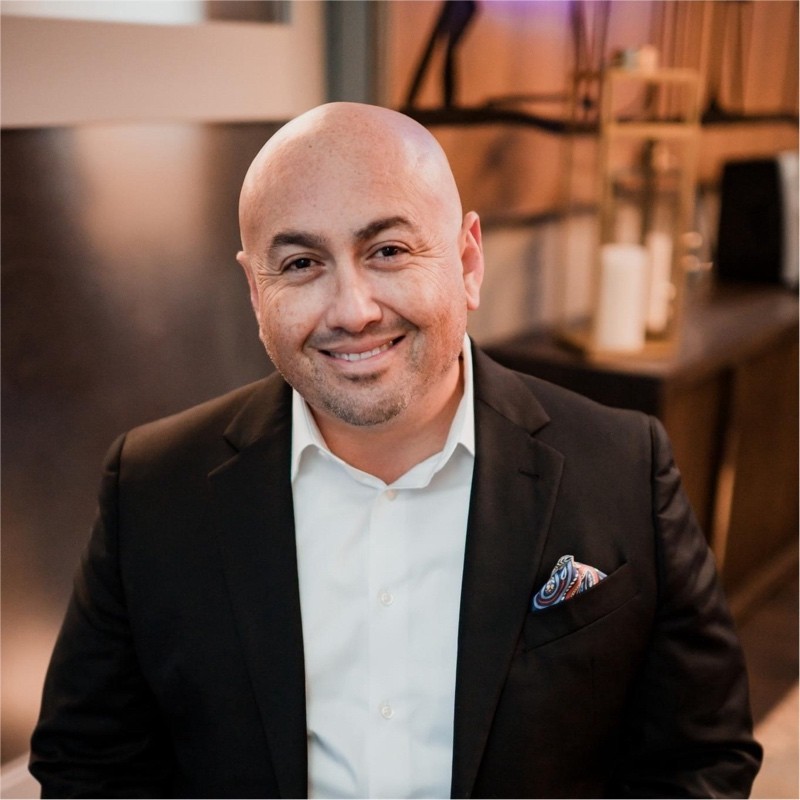
The most common estate mistake I see in Tampa Bay has nothing to do with taxes, it is an outdated beneficiary form. An ex-spouse still listed on a 401(k), a child accidentally left off a policy, an account never updated after a big life change. Your will does not override those forms. When we build a plan, we sit down and check every beneficiary designation against what you actually want to happen. It takes an afternoon and it saves families real heartache.
How we work together
It starts with a conversation, not a commitment:
- A free 30-minute call to understand your family, your assets, and your intentions.
- A review of your beneficiaries, account titling, insurance, and any existing documents, so you can see clearly where the gaps are.
- A coordinated plan, with the financial side handled by us and the legal documents drafted by a qualified attorney we can bring in.
- Ongoing reviews, because life changes, marriages, births, sales, moves, and your plan should change with them.
No pressure, no jargon. If we are not the right fit, I will tell you.
Why Tampa Bay families choose Mike Garcia
When it is your family’s legacy, credentials and character both count. Mike Garcia holds the AAMS designation, Series 7 and Series 66 securities licenses, and a 2-15 insurance license, and moved into financial services in 2018 after more than 20 years of owning and operating his own businesses. That range means your investments, retirement, insurance, and legacy are coordinated by one person instead of handed between offices.
It shows in the response: a 5.0 rating from 39 Google reviews from Tampa Bay families and business owners. Securities and advisory services are offered through BRIA Capital Group. You can read more about Mike’s background and decide for yourself.
If you want to be sure that what you have built will pass the way you intend, in Wesley Chapel, Tampa, or anywhere across Tampa Bay, the next step is simple. Book a free 30-minute consultation, and let’s make sure your plan actually does what you think it does.
Estate Planning FAQs
Do I need an attorney or a financial advisor for estate planning?
Usually both, doing different jobs. An attorney drafts the legal documents, wills, trusts, and deeds. As your financial advisor, I make sure your investment accounts, retirement plans, life insurance, and beneficiary designations line up with those documents so the plan actually does what you intended. I coordinate the financial side and bring in the right attorney; I do not draft legal documents or give tax advice.
Does Florida have an estate tax?
No. Florida has no state estate tax and no inheritance tax. The federal estate tax still applies, but only above a very high exemption ($15 million per person in 2026), so most families owe none. For most people the bigger issues are step-up in basis, beneficiary designations, and avoiding probate. We cover this in detail in our guide to Florida estate tax.
What is a lady bird deed?
A lady bird deed (enhanced life estate deed) is a Florida tool that lets you keep full control of your home while you are alive and have it pass automatically to a named beneficiary at death, avoiding probate while generally preserving the step-up in basis. It should be drafted by a qualified Florida attorney; we help you decide whether it fits your overall plan.
Does my will control who inherits my 401(k) or life insurance?
No, and this surprises people. Accounts with a named beneficiary, like retirement accounts and life insurance, pass to whoever is listed on the beneficiary form, regardless of what your will says. Keeping those forms current is one of the most important and most overlooked parts of an estate plan, and it is exactly the kind of thing we review with you.
How are you paid?
Transparently, and discussed up front. Depending on the engagement that may be a flat planning fee, an asset-based advisory fee, or commission on certain insurance products. You will always know what you are paying, and why, before anything is signed.
What is the average cost for estate planning in Florida?
A simple will package from a Florida attorney typically runs a few hundred to a couple of thousand dollars, while a revocable trust package is usually several thousand, depending on complexity. Those are legal fees and they are paid to the attorney, not to me. My part of the work, coordinating beneficiaries, account titling, and how the assets actually pass, is covered within the planning relationship. If cost is the concern, get a quote from the attorney before you commit.
What are common mistakes to avoid in estate planning?
The one I see most often is a beneficiary designation that contradicts the will. Retirement accounts and life insurance pass by designation, not by will, so an ex-spouse listed on a 401(k) from two jobs ago will inherit it regardless of what the will says. Close behind: assets titled in a way that defeats the trust they were meant to fund, no named contingent beneficiary, and documents that were correct a decade ago and have never been reviewed since.
Is it better to leave a house in a will or a trust?
It depends on what you are trying to avoid. A house passed through a will goes through Florida probate, which is public and takes time. A house held in a revocable trust generally avoids probate and transfers privately. Florida also offers a lady bird deed, which can pass property directly while preserving homestead protections. Which one fits is a legal question for your attorney, and I coordinate the financial side so the rest of the plan matches whatever they draft.
Have questions about estate planning?
A 30-minute call to talk through your situation, no pitch, no obligation.